
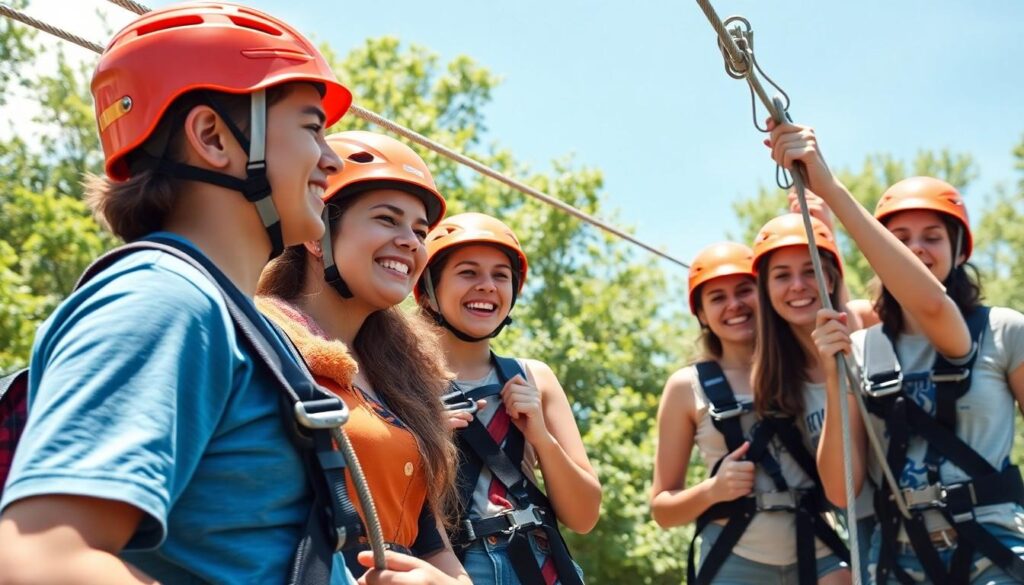
Summer’s just around the corner, and while most high school students dream of sleeping in and binge-watching their favorite shows, there’s a world of adventure waiting at summer camp. Imagine trading in those lazy days for thrilling activities, new friendships, and memories that’ll last a lifetime. High school summer camp isn’t just about campfires and s’mores; it’s a chance to explore passions, discover hidden talents, and maybe even conquer that fear of heights on the zip line.
With a mix of fun, learning, and personal growth, summer camp offers experiences that textbooks can’t teach. Whether it’s honing artistic skills, diving into science experiments, or mastering the art of canoeing, there’s something for everyone. So why not swap the couch for a cabin and make this summer unforgettable? After all, who wouldn’t want to trade in their screen time for some serious adventure?
What Is High School Summer Camp?
High school summer camp presents an opportunity for teens to engage in diverse activities away from their usual routines. These camps offer a mix of structured programs and free time, allowing students to explore interests while making new friends. Students participate in activities such as sports, arts, and outdoor adventures, which promote teamwork and personal development.
Programs typically last from one to several weeks, catering to various interests and skill levels. Many high school summer camps focus on specific themes, like science, technology, or the arts. These specialized camps spark curiosity and foster academic growth, enhancing high school education.
Counselors and instructors at these camps often have expertise in their fields, providing valuable guidance. Participants benefit from mentorship, developing skills that last beyond the camp experience. Daily schedules include workshops, group projects, and recreational activities, ensuring a balanced and enriching environment.
Networking opportunities abound at summer camps. Many students build lasting friendships with peers from different backgrounds, enhancing social skills. Camps also encourage community involvement, with some featuring service projects or local partnerships, promoting civic responsibility.
Besides leisure and fun, summer camp prepares teens for upcoming academic challenges. Engaging in hands-on experiences and collaborative efforts allows participants to return to school better equipped for teamwork and leadership roles. Overall, high school summer camps offer an invaluable mix of personal growth, friendship, and skill enhancement.
Benefits of High School Summer Camp

High school summer camps provide a myriad of benefits that contribute to a teen’s development. These experiences focus on personal growth, teamwork, and socialization, enriching students’ lives during the summer months.
Personal Development
Engagement in high school summer camp activities promotes self-confidence and independence. Teens face challenges that encourage them to step out of their comfort zones. Workshops often teach new skills, fostering a sense of accomplishment. Decision-making abilities improve as participants navigate diverse scenarios. Setting and achieving goals in a supportive environment builds resilience. Exposure to new ideas ignites curiosity and inspires students to explore interests they might not pursue otherwise. All these aspects play a significant role in shaping their identities.
Social Skills
Camp environments nurture the development of social skills among peers. Interactions with diverse groups foster understanding and empathy. Sharing experiences during team-based activities cultivates cooperation and communication. New friendships form quickly, leading to a supportive network of peers. Collaborative projects enhance collaboration skills, essential for future teamwork. Learning to resolve conflicts in a constructive manner builds emotional intelligence. Overall, these experiences enhance the ability to navigate social situations confidently.
Types of High School Summer Camps
High school summer camps come in various types, catering to the diverse interests of students. Each camp type offers unique experiences that promote growth and learning.
Academic Camps
Academic camps emphasize subjects like science, technology, engineering, and mathematics (STEM). Programs engage students through hands-on experiments, coding workshops, and interactive lectures. Participants develop critical thinking and problem-solving skills, preparing them for future academic endeavors. Expert instructors guide teens, fostering a deeper understanding of complex concepts. Some camps even provide college credit, making them an attractive option for high school students seeking to enhance their academic profiles.
Adventure Camps
Adventure camps focus on outdoor activities that encourage physical fitness and team building. Participants enjoy hiking, rock climbing, and kayaking, pushing their limits while fostering resilience. These camps often include challenges that promote camaraderie and friendship. Engaging in exciting experiences like zip-lining or white-water rafting allows students to step out of their comfort zones. Campers learn to work with others and face challenges, cultivating self-confidence and bravery along the way.
Arts Camps
Arts camps immerse students in creative pursuits such as painting, theater, and music. Through various workshops, participants enhance their artistic skills and explore new mediums. Opportunities to collaborate with talented instructors provide valuable feedback and personalized growth. These camps often culminate in showcases, allowing students to present their work and build confidence. Engaging with fellow aspiring artists fosters a supportive atmosphere where creativity flourishes and friendships develop.
What to Expect at High School Summer Camp
High school summer camp offers a structured yet flexible environment for teens to thrive. Each day is filled with activities designed to engage and inspire participants.
Daily Schedule
Morning activities kick off with energizing group sessions that foster teamwork and camaraderie. Students then split into smaller groups for specialized workshops or classes, allowing for focused learning. Afternoons typically include outdoor adventures or sports, emphasizing physical fitness while promoting fun. Evening gatherings bring everyone together for discussions or talent shows, enhancing community bonds. Flexibility in scheduling accommodates downtime, giving teens a chance to unwind and reflect on their day.
Activities and Programs
Summer camps provide diverse activities that cater to a range of interests. Creative arts programs allow students to explore painting, photography, or music, helping them express themselves. STEM activities challenge participants with coding, robotics, and science experiments that spark curiosity. Adventure programs offer thrilling outdoor experiences like hiking, kayaking, or zip-lining, promoting resilience and teamwork. Each camp crafts a unique blend of programs that foster personal growth while encouraging friendships. These diverse offerings ensure every teen finds something that resonates with their passions.
Conclusion
High school summer camp is a transformative experience that offers teens the chance to break free from their daily routines. By engaging in various activities, campers not only explore their interests but also build essential life skills. The friendships formed and the challenges faced foster personal growth and resilience.
Choosing summer camp over idle days at home can lead to unforgettable memories and newfound passions. With expert mentorship and a supportive community, teens are empowered to discover their potential in a fun and engaging environment. Summer camp truly enriches the lives of young individuals, preparing them for future challenges while making their summer unforgettable.